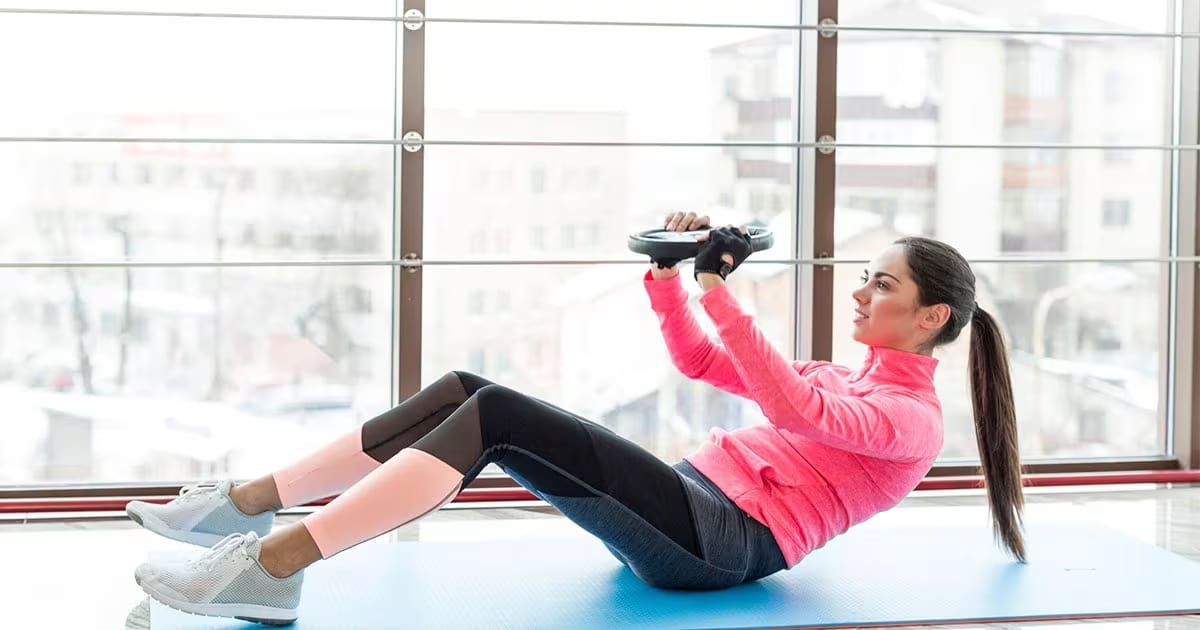
As temperatures begin to drop across the UAE, many people feel more motivated to focus on their fitness goals. The cooler season creates the perfect opportunity to build healthier routines, improve consistency, and stay active without the extreme heat of summer. Whether it is early morning walks, evening cardio sessions, strength training, or full indoor workouts, the colder months can become one of the most productive fitness periods of the year.
While the UAE does not experience harsh winters like many other countries, seasonal changes still influence workout habits. Cooler mornings and evenings often make people more comfortable exercising, while shorter days and changing schedules can sometimes reduce consistency. That is exactly why structured cold-weather workout routines become important. A proper fitness routine helps maintain energy, improve endurance, boost immunity, and prevent the seasonal slowdown that many people experience.
For many UAE residents, home fitness becomes especially valuable during cooler months. While outdoor weather may feel more comfortable, indoor fitness spaces still offer unmatched convenience, privacy, and flexibility. Instead of depending on traffic, gym timings, or crowded workout spaces, people can maintain consistent routines directly from home with the help of premium cardio and strength equipment.
Modern home gyms in the UAE are no longer basic setups with limited equipment. Today, residents are building highly advanced wellness spaces featuring treadmills, exercise bikes, rowers, multi gyms, recovery tools, and smart fitness systems that create professional-quality workout experiences. This allows users to maintain structured training routines regardless of weather, schedules, or lifestyle demands.
Cold-weather fitness is not just about staying active. It is about using seasonal momentum to build sustainable habits that continue throughout the year. The cooler months often provide the perfect mental reset for people looking to restart fitness goals, lose weight, improve endurance, or simply create healthier daily routines.
At Lifetime Fitness Store, the focus continues to remain on helping UAE residents create smarter fitness lifestyles with premium home gym solutions, advanced workout equipment, and world-class wellness products designed for modern living.
Many people feel more energized and motivated during cooler weather conditions. Unlike the intense UAE summer heat that can feel exhausting, cooler temperatures often make workouts feel more comfortable and enjoyable.
Benefits of training during cooler months include:
For many people, this season becomes the ideal time to restart fitness journeys that may have slowed down during hotter months.
Another important factor is mental freshness. Seasonal changes often create psychological motivation for resetting routines, setting new goals, and improving lifestyle habits. This makes colder months one of the best times to establish long-term workout consistency.
Although the weather becomes more comfortable in the UAE, indoor fitness continues to offer major advantages.
Indoor home workouts provide:
Many professionals in Dubai, Abu Dhabi, and Sharjah continue preferring home workouts because they eliminate barriers like traffic, parking, waiting for equipment, and crowded gym timings.
Consistency always matters more than workout location. Home fitness simply makes consistency easier.
One of the biggest mistakes people make during cooler weather is skipping proper warm-ups.
Cold muscles are:
A proper warm-up helps:
Effective warm-up routines can include:
Even 5 to 10 minutes of warm-up preparation can significantly improve workout quality.
Treadmills remain one of the most effective cardio machines during cooler months because they support structured indoor routines without weather limitations.
Popular treadmill workouts include:
Modern treadmills now include:
For many UAE residents, treadmills become essential for maintaining daily movement and calorie burn throughout the year.
Exercise bikes are excellent for cold-weather cardio because they provide low-impact training while improving endurance and calorie expenditure.
Benefits include:
Popular bike workout styles include:
Exercise bikes are especially useful for apartment-friendly home gym setups.
Rowing machines continue growing in popularity because they combine:
Rowers simultaneously activate:
This creates highly efficient calorie-burning workouts while improving cardiovascular health.
Cold weather can also become the perfect season for strength-focused routines.
Strength training helps:
Popular home strength equipment includes:
Many UAE homeowners are now creating complete strength-training spaces directly inside villas and apartments.
Perfect for people restarting fitness:
Goal:
Build consistency and improve basic fitness levels.
Ideal for calorie-burning workouts:
Goal:
Increase calorie burn and improve endurance.
Perfect for muscle development:
Goal:
Build strength and lean muscle mass.
Many people increase workout intensity during cooler months because training feels easier and more comfortable. However, recovery remains equally important.
Recovery supports:
Popular recovery tools include:
Recovery routines should become part of every cold-weather fitness plan.
Even though cooler weather improves workout comfort, many people still struggle with consistency because of changing schedules, holidays, travel, or reduced daylight.
Simple strategies to stay consistent include:
The easier workouts become to access, the more sustainable fitness becomes long term.
Modern UAE homeowners are increasingly investing in complete wellness environments instead of temporary workout setups.
Popular home gym additions include:
The goal is creating spaces that support long-term healthy living throughout every season.
Modern fitness technology now allows users to experience highly advanced training environments from home.
Features now include:
This creates highly engaging fitness experiences that help users stay motivated consistently.
One common mistake during cooler months is reducing hydration because people sweat less visibly.
However, hydration remains essential for:
Cold-weather fitness nutrition should focus on:
Good nutrition supports sustainable workout performance.
Many UAE residents now combine:
This creates more balanced fitness routines.
Fitness is becoming part of broader wellness lifestyles that include:
Lifetime Fitness Store continues helping UAE residents create premium fitness environments for year-round wellness and performance.
Key advantages include:
From compact apartment setups to luxury villa gyms, Lifetime Fitness Store continues making home fitness more accessible across the UAE.
Cooler months create the perfect opportunity to restart fitness goals, improve consistency, and build healthier long-term routines. Whether the goal is weight loss, strength building, endurance improvement, or simply staying active, cold-weather workout routines can help people maintain momentum throughout the season.
The key to successful seasonal fitness is consistency. Structured routines, proper recovery, smart equipment, and accessible workout spaces make it easier to stay committed long term. That is exactly why home fitness continues growing rapidly across the UAE.
Modern home gyms now provide professional-quality workout experiences directly from the comfort of home. From treadmills and exercise bikes to functional trainers and recovery tools, today’s fitness environments support every type of training goal.
Lifetime Fitness Store continues supporting UAE residents with premium fitness equipment, smart home gym solutions, and wellness-focused products designed to help people stay active and consistent throughout every season.
If you are looking to buy other fitness machines or accessories, look no further! Explore our range of fitness products like treadmills, elliptical cross trainers, exercise bikes, rowing machines, home gym, functional trainer, multi-station, power towers, smith machines, dumbbells, foosball tables, pool tables, and table tennis.
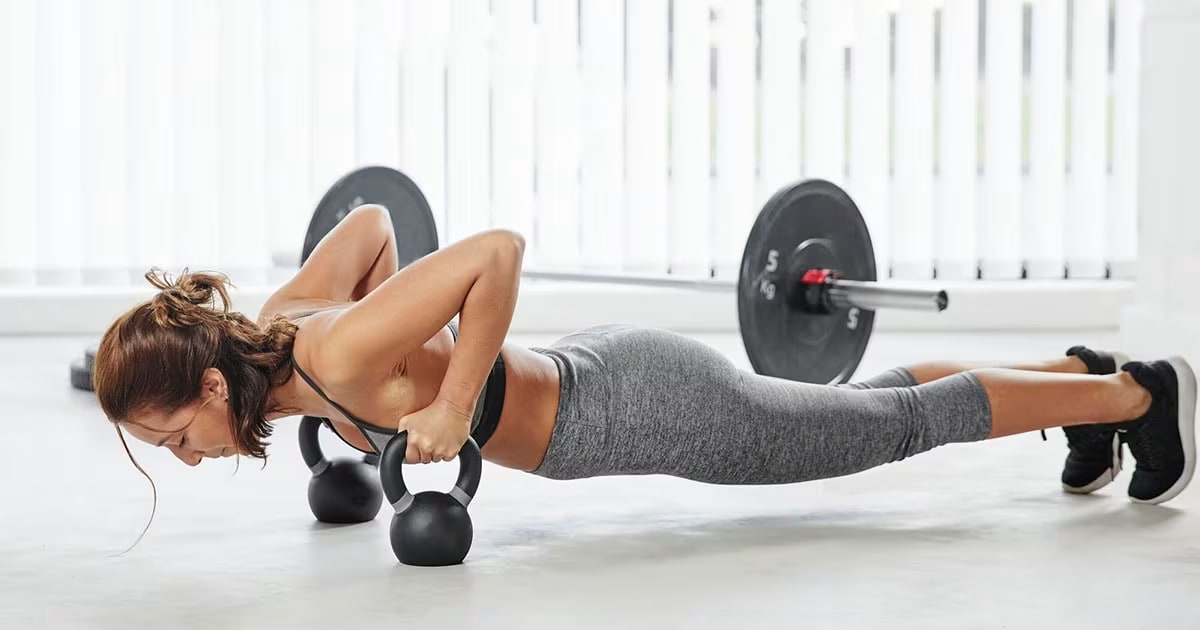
Summer in the UAE is intense. Rising temperatures, high humidity, and long sunny days can make outdoor activities feel exhausting, especially during peak afternoon hours. For many people, staying consistent with fitness goals becomes difficult once the heat starts increasing. Outdoor runs become shorter, gym commutes feel tiring, and motivation slowly begins to drop. That is exactly why smart hot-weather workout routines become essential.
The reality is that fitness does not need to stop during summer. In fact, the hotter months can become one of the best opportunities to build stronger routines, improve endurance, and focus on smarter training methods. The key is understanding how to adapt workouts to high-temperature environments while maintaining safety, hydration, and consistency.
Across Dubai, Abu Dhabi, Sharjah, and the wider UAE, more people are now shifting toward indoor fitness routines and home workout solutions during summer months. Instead of depending entirely on outdoor activities or crowded gyms, residents are building smarter wellness environments directly inside their homes. Modern home gyms now provide professional-level cardio, strength, and recovery experiences without requiring people to step outside into extreme heat.
Hot-weather workouts are not about training harder. They are about training smarter. Choosing the right workout timing, staying hydrated, focusing on recovery, and using proper equipment all play a major role in maintaining performance during warmer conditions.
Another important factor is consistency. Many people completely pause their fitness routines during summer because workouts feel uncomfortable. But long breaks often make it harder to restart later. Maintaining even moderate levels of activity throughout the hotter months helps preserve endurance, energy levels, muscle strength, and overall wellness.
At Lifetime Fitness Store, the focus continues to remain on helping UAE residents create smarter and more sustainable fitness lifestyles with premium cardio equipment, advanced home gym systems, functional training tools, and recovery-focused wellness solutions designed for every season.
High temperatures affect the body in multiple ways during exercise. As temperatures rise, the body works harder to regulate internal temperature and maintain performance.
Common effects of hot-weather workouts include:
Faster dehydration
Increased sweating
Reduced endurance
Higher heart rate
Faster fatigue
Increased recovery demands
This does not mean workouts should stop completely. It simply means routines need to become more structured and temperature-conscious.
Training smarter during hot weather helps:
Prevent exhaustion
Improve workout sustainability
Reduce injury risks
Maintain long-term consistency
Improve overall performance safely
One of the biggest fitness advantages today is access to premium indoor workout solutions.
Indoor workouts provide:
Climate-controlled comfort
Flexible schedules
Better hydration control
Reduced heat exposure
Consistent training environments
Improved workout focus
This is exactly why home fitness continues growing rapidly across the UAE.
Instead of skipping workouts due to heat, people are now creating complete indoor wellness spaces featuring:
Exercise bikes
Ellipticals
Rowers
Functional trainers
Recovery zones
This makes year-round training significantly easier.
Timing plays a major role in workout quality during summer.
The safest and most effective workout times usually include:
Early mornings
Late evenings
Indoor midday sessions
Peak afternoon heat can increase:
Fatigue
Dehydration risks
Heat stress
Reduced performance
Many UAE residents now prefer early-morning cardio sessions or late-night strength training to avoid extreme temperatures.
Hydration becomes one of the most important parts of hot-weather fitness.
Sweating causes loss of:
Water
Electrolytes
Minerals
Without proper hydration, performance drops quickly.
Good hydration habits include:
Drinking water before workouts
Staying hydrated throughout training
Replenishing electrolytes
Avoiding excessive caffeine before workouts
Hydration directly impacts:
Energy levels
Muscle performance
Endurance
Recovery
Mental focus
Even indoor workouts require strong hydration routines during UAE summers.
Treadmills remain one of the most effective summer workout solutions because they allow controlled indoor cardio regardless of outdoor temperatures.
Popular treadmill routines include:
Incline walking
Fat-burning cardio
HIIT intervals
Steady-state endurance sessions
Recovery walks
Modern treadmills now feature:
Smart touchscreens
Cooling systems
Interactive programs
Heart rate tracking
Joint-friendly cushioning
Indoor treadmill training allows users to stay consistent without exposure to extreme outdoor heat.
Exercise bikes are excellent for summer fitness because they combine low-impact movement with effective calorie burning.
Benefits include:
Reduced joint stress
Comfortable long-duration cardio
Compact setup compatibility
Adjustable resistance levels
Beginner-friendly training
Popular workout styles include:
Endurance cycling
Sprint intervals
Resistance climbs
HIIT sessions
Exercise bikes are especially useful for apartment-friendly fitness setups.
Rowing machines continue growing in popularity because they provide:
Full-body engagement
Cardiovascular training
Strength development
High calorie burn
Rowers simultaneously activate:
Legs
Core
Back
Arms
Shoulders
This creates highly efficient indoor summer workouts.
Ellipticals provide smooth, low-impact cardio that is easier on joints while still delivering full-body movement.
They are excellent for:
Long-duration cardio
Fat burning
Rehabilitation-friendly workouts
Joint-conscious users
Ellipticals remain one of the best indoor summer cardio solutions for UAE residents.
Many people assume summer workouts should focus only on cardio. However, strength training remains equally important.
Strength training helps:
Preserve muscle mass
Improve metabolism
Support fat loss
Increase energy levels
Build long-term fitness
Popular home strength equipment includes:
Dumbbells
Functional trainers
Multi gyms
Smith machines
Adjustable benches
Resistance bands
Indoor strength workouts help users maintain fitness without excessive outdoor heat exposure.
Perfect for restarting consistency:
10-minute treadmill walk
Bodyweight squats
Light dumbbell exercises
Resistance band rows
Stretching
Goal:
Build sustainable routines without excessive fatigue.
Ideal for calorie-burning workouts:
Incline treadmill intervals
Exercise bike sprints
Functional HIIT circuits
Core workouts
Recovery stretches
Goal:
Improve endurance and support weight management.
Perfect for balanced fitness:
Dumbbell presses
Squats
Functional trainer exercises
Rowing intervals
Mobility work
Goal:
Maintain strength while improving cardiovascular fitness.
Recovery becomes even more important during hotter weather because the body experiences:
Increased sweating
Higher fatigue levels
Greater hydration demands
Recovery supports:
Muscle repair
Energy restoration
Flexibility
Injury prevention
Long-term workout consistency
Popular recovery tools include:
Massage guns
Foam rollers
Stretching mats
Recovery boots
Mobility accessories
The smartest fitness routines always combine training with recovery.
Modern home gyms are changing the way UAE residents approach fitness during hotter months.
Benefits include:
Immediate workout access
Climate-controlled comfort
Flexible scheduling
Greater consistency
Personalized environments
Many UAE homeowners now create dedicated wellness spaces featuring:
Smart cardio equipment
Functional training zones
Recovery corners
Interactive fitness systems
This creates highly motivating training environments directly from home.
Many people try maintaining high-intensity outdoor workouts despite extreme temperatures. This increases exhaustion risks significantly.
Even mild dehydration negatively affects:
Strength
Endurance
Focus
Recovery
Summer recovery should never be ignored. The body requires additional support during high-temperature training periods.
Long workout breaks during summer often reduce motivation further. Consistency matters more than workout intensity.
Sustainable fitness is not about extreme workouts. It is about creating routines that remain realistic and consistent.
Effective summer fitness strategies include:
Training indoors
Following structured schedules
Staying hydrated
Prioritizing recovery
Using smart fitness equipment
Maintaining balanced intensity
These habits help people stay active without burnout.
More UAE homeowners now prioritize:
Dedicated home gyms
Recovery zones
Wellness-focused interiors
Functional training spaces
Users increasingly prefer:
AI-powered tracking
Virtual coaching
Interactive screens
App connectivity
Technology continues transforming home fitness experiences.
People are combining:
Cardio
Strength
Recovery
Mobility
Functional conditioning
Into one complete wellness approach.
Lifetime Fitness Store continues helping UAE residents stay active throughout every season with premium home fitness solutions and world-class workout equipment.
Key advantages include:
300+ global fitness brands
3000+ premium fitness products
Home gym consultation
Free delivery and installation
Commercial and residential fitness solutions
Premium cardio equipment
Functional training systems
UAE-wide support
From compact apartment fitness setups to luxury villa gyms, Lifetime Fitness Store continues making smarter fitness lifestyles more accessible across the UAE.
Increased calorie burn potential
Improved sweating and circulation
Better adaptability
Stronger mental discipline
Flexible indoor workout opportunities
Faster dehydration
Increased fatigue
Heat exhaustion risks
Greater recovery demands
Reduced outdoor workout comfort
Summer fitness in the UAE does not need to feel exhausting or impossible. With the right workout strategies, proper hydration, structured routines, and premium indoor fitness equipment, people can stay active, healthy, and consistent throughout even the hottest months of the year.
The key is training smarter, not simply harder. Indoor cardio sessions, strength workouts, functional training, recovery routines, and flexible home gym setups all help create sustainable long-term fitness habits without depending on outdoor weather conditions.
Modern home gyms now provide professional-level workout experiences directly inside apartments and villas across the UAE. From treadmills and exercise bikes to rowers, functional trainers, and recovery tools, people now have access to highly advanced wellness environments from the comfort of home.
Lifetime Fitness Store continues supporting UAE residents with premium cardio equipment, advanced strength systems, smart workout technology, and complete home gym solutions designed to help people stay active during every season.
If you are looking to buy other fitness machines or accessories, look no further! Explore our range of fitness products like treadmills, elliptical cross trainers, exercise bikes, rowing machines, home gym, functional trainer, multi-station, power towers, smith machines, dumbbells, foosball tables, pool tables, and table tennis.
Fitness is often misunderstood as a destination. Many people begin their journey believing there will come a point where they finally become fit and no longer need to challenge themselves. The reality is very different. Fitness is a continuous journey of growth, adaptation, and improvement. Every improvement in strength, endurance, flexibility, mobility, and overall health comes from consistently challenging the body to do more than it could before.
Whether your goal is to lose weight, build muscle, improve cardiovascular endurance, enhance athletic performance, or simply live a healthier lifestyle, progress requires growth. Growth requires challenge. The body becomes stronger only when it is pushed beyond its current capabilities in a safe and controlled manner.
This does not mean every workout should leave you exhausted. It does not mean training for hours every day or constantly pushing yourself to the point of discomfort. Instead, it means making small improvements over time and continuously expanding your limits.
At Lifetimefitnessstore, fitness is viewed as a lifelong commitment to health, wellness, and personal growth. Through premium treadmills, advanced cardio equipment, strength-training systems, functional fitness tools, recovery solutions, and complete home gym setups, individuals can challenge themselves effectively while maintaining safety and consistency.
Modern fitness equipment has completely transformed how people train. Instead of relying solely on traditional gym environments, individuals now have access to professional-grade equipment in their homes. This allows them to train more consistently, remove common barriers to exercise, and create personalized fitness environments that support long-term success.
The journey toward better fitness is not about comparing yourself to others. It is about becoming stronger than you were yesterday. It is about improving your endurance, increasing your strength, enhancing your energy levels, and creating healthier habits that positively impact every area of life.
When you begin pushing workout boundaries intelligently and consistently, remarkable changes start to happen. Your body becomes stronger. Your confidence grows. Your energy improves. Your mindset shifts. Most importantly, you begin realizing that your potential is far greater than you initially believed.
One of the most frustrating experiences in fitness is reaching a plateau. Progress often feels exciting in the beginning. Weight starts dropping, workouts become easier, strength improves, and motivation remains high.
Then suddenly, results slow down.
Many people assume they are doing something wrong. Others become discouraged and quit altogether. However, plateaus are actually a normal part of fitness progression.
The human body is designed to adapt.
Every time you perform a workout, your body learns how to become more efficient at that activity. Muscles adapt to resistance. The cardiovascular system adapts to endurance training. Movement patterns become more efficient.
While adaptation is a positive sign, it also means your body eventually stops being challenged by the same routine.
For example, someone who begins walking twenty minutes daily may initially see significant improvements in endurance and calorie expenditure. After several weeks, that same walk becomes easier because the body has adapted.
Similarly, someone lifting the same dumbbells every week may stop building strength because the muscles no longer receive enough stimulus to grow.
Common reasons people hit fitness plateaus include:
The good news is that plateaus can be overcome.
The solution is not necessarily harder workouts. Instead, it involves smarter training strategies that gradually increase demands on the body while allowing adequate recovery.
Understanding how progression works is the first step toward pushing workout boundaries successfully.
One of the most important principles in fitness is progressive overload.
Progressive overload simply means gradually increasing the demands placed on the body over time. This forces the body to adapt, grow stronger, and improve performance.
Without progressive overload, fitness progress eventually stops.
Progressive overload can be achieved in several ways:
The beauty of progressive overload is that improvements do not need to be dramatic.
Small changes often produce the best long-term results.
For example:
These small adjustments create enough challenge to encourage adaptation without overwhelming the body.
This principle applies to every fitness level.
Beginners benefit from gradual improvements in movement consistency and endurance. Advanced athletes benefit from carefully structured progression programs that maximize performance.
When people understand and apply progressive overload consistently, they stop viewing fitness as random exercise and start approaching it as a structured path toward continuous improvement.
Treadmills remain one of the most effective fitness tools ever created. While many people associate treadmills primarily with walking or running, modern treadmills offer much more than simple cardio sessions.
One of the biggest advantages of treadmill training is its ability to create measurable progression.
Unlike outdoor environments where weather, terrain, and traffic can affect workouts, treadmills provide complete control over training variables.
Adjustable speed settings
These features allow users to push their fitness boundaries gradually and safely.
For beginners, progression may begin with simple walking routines. A person might start with twenty-minute walks three times per week and gradually increase duration over time.
As fitness improves, treadmill users can challenge themselves through:
Incline training deserves special attention because it dramatically increases workout intensity without requiring excessive speed.
Walking uphill activates larger muscle groups, including the glutes, hamstrings, calves, and core. It also increases calorie expenditure and cardiovascular demand while minimizing impact compared to high-speed running.
Many fitness enthusiasts underestimate how effective incline walking can be. In reality, a challenging incline session can provide an exceptional cardiovascular workout while remaining joint-friendly.
Treadmills also allow users to track measurable progress.
Metrics such as:
help individuals stay motivated and focused on continuous improvement.
This ability to measure progress is incredibly important because visible improvements often fuel long-term consistency.
Many people believe fitness progress requires intense workouts. However, walking remains one of the most underrated forms of exercise.
Walking provides numerous benefits including:
Walking is also highly sustainable.
Unlike extreme workout programs that many people abandon after a few weeks, walking can become a lifelong habit that supports overall health and wellness.
Treadmills make walking even more accessible because they eliminate common barriers such as:
A simple walking routine performed consistently can create significant improvements in health, energy levels, and body composition over time.
Many successful fitness journeys begin with nothing more than a commitment to walk regularly.
Physical improvement is only part of fitness.
Every challenging workout also develops mental resilience.
When people push themselves slightly beyond their comfort zones, they begin building confidence in their ability to overcome obstacles.
Cardio training teaches valuable lessons:
Every completed workout becomes evidence that you are capable of more than you previously believed.
Over time, this confidence extends beyond fitness into other areas of life.
People who consistently challenge themselves physically often become more resilient professionally, emotionally, and mentally.
Fitness becomes more than exercise.
It becomes personal development.
While cardio equipment helps improve endurance and cardiovascular health, strength training is what truly changes the way the body performs, looks, and feels. Among all strength-training tools available today, dumbbells remain one of the most versatile and effective pieces of fitness equipment.
Unlike machines that guide movement through fixed paths, dumbbells require the body to stabilize weight naturally. This activates more muscle fibers and improves overall coordination. Every repetition challenges not only the primary muscle group but also supporting muscles responsible for balance and control.
Dumbbells can be used for:
One of the biggest advantages of dumbbells is progression. Fitness improvement often comes from gradually increasing resistance over time.
For example:
Each increase creates a new challenge that encourages muscle growth and strength development.
Strength training also provides benefits beyond aesthetics. It improves:
Whether someone wants to build muscle, improve posture, increase calorie burn, or enhance athletic performance, dumbbells remain one of the most effective tools available.
Many people eventually reach a point where traditional cardio routines become repetitive. Running the same distance, cycling at the same pace, or performing identical workouts every week often leads to stagnation.
This is where cross trainers become extremely valuable.
Cross trainers provide a unique form of cardio because they engage both upper and lower body muscles simultaneously. Unlike treadmills that focus primarily on the lower body, cross trainers involve the arms, shoulders, chest, back, and core while maintaining continuous lower-body movement.
Benefits of cross trainers include:
As resistance increases, workouts become more demanding. Muscles work harder, heart rate rises, and overall calorie expenditure improves. One of the greatest advantages of cross trainers is their ability to provide intense workouts without excessive impact on joints.
For individuals dealing with:
cross trainers offer an excellent alternative to high-impact running.
The ability to continuously adjust resistance and workout intensity makes cross trainers an effective solution for overcoming fitness plateaus while protecting long-term joint health.
Few fitness machines challenge the entire body as effectively as rowing machines.
Many cardio workouts primarily target the lower body. Rowing is different. Every stroke engages multiple muscle groups simultaneously, creating a highly efficient full-body workout.
A proper rowing movement involves:
This coordinated movement pattern creates exceptional cardiovascular and muscular conditioning.
Benefits of rowing include:
Beginners can focus on learning technique and building endurance gradually. Advanced users can perform high-intensity interval sessions that challenge both strength and cardiovascular capacity simultaneously. Because rowing combines resistance training with endurance work, it often delivers faster conditioning improvements compared to traditional steady-state cardio. Rowing is also low-impact, making it suitable for individuals seeking challenging workouts without excessive stress on joints.
Exercise bikes have remained one of the most popular cardio machines for decades because they offer highly effective workouts while remaining accessible to users of all fitness levels. Cycling challenges the cardiovascular system while strengthening major lower-body muscle groups.
Exercise bikes help improve:
Features often include:
Progression becomes easy because resistance can be increased gradually.
For example:
Each progression encourages cardiovascular adaptation and improved endurance.
Exercise bikes are particularly valuable for individuals seeking intense cardio training while minimizing impact on knees and ankles.
Traditional fitness often focuses on appearance.
Functional fitness focuses on capability.
Functional training improves the body's ability to perform everyday movements efficiently and safely.
Instead of isolating muscles individually, functional exercises train movement patterns involving multiple muscle groups working together.
Benefits include:
Functional training equipment commonly includes:
Functional fitness prepares the body for real-world activities such as:
This practical approach to training makes fitness improvements highly transferable to everyday life.
One of the biggest mistakes people make is assuming progress happens during workouts.
In reality, progress happens during recovery.
Exercise creates stress on muscles, joints, and the nervous system. Recovery allows the body to repair, adapt, and become stronger.
Without adequate recovery, performance eventually declines.
Poor recovery often leads to:
Proper recovery strategies include:
These tools help reduce muscle tension, improve circulation, and support long-term training consistency. The most successful fitness enthusiasts understand that recovery is not optional. It is an essential component of performance improvement.
Home fitness continues growing because people increasingly value convenience and flexibility.
A properly designed home gym removes many common barriers to exercise.
Benefits include:
A complete home gym may include:
This combination allows users to train every aspect of fitness, including:
Having equipment readily available often improves workout consistency significantly, which is one of the most important factors in long-term success.
Many people wait for motivation before exercising.
This approach rarely works.
Motivation is temporary. Some days it feels strong. Other days it disappears completely.
Consistency is different.
Consistency means showing up regardless of mood, weather, or circumstances.
Small actions performed repeatedly create remarkable results over time.
Examples include:
These habits may appear simple, but their cumulative effect is extraordinary. The people who achieve lasting fitness success are not necessarily the most talented. They are often the most consistent.
One of the biggest shifts in modern fitness is the growing recognition that health involves more than aesthetics.
Fitness today is increasingly associated with:
Exercise improves far more than physical appearance.
Regular training supports:
The goal should not simply be looking fit.
The goal should be living better.
Pushing workout boundaries is not about extreme training sessions or unrealistic expectations. It is about continuous improvement.
Every extra step taken on a treadmill, every additional repetition performed with a dumbbell, every challenging rowing session, and every completed workout contributes toward becoming stronger, healthier, and more capable.
Modern fitness equipment such as treadmills, dumbbells, cross trainers, rowing machines, exercise bikes, and functional training systems make it easier than ever to train effectively while maintaining safety and consistency.
If you are looking to buy other fitness machines or accessories, look no further! Explore our range of fitness products like treadmills, elliptical cross trainers, exercise bikes, rowing machines, home gym, functional trainer, multi-station, power towers, smith machines, dumbbells, foosball tables, pool tables, and table tennis.

You may be someone who wishes to see the progress of your workouts but struggling to see that. Ask yourself how long you are trying to prioritize your health. If you haven’t got an answer, don’t worry. This is because you have yet to set a clear health goal. It's time to know about smart health goals you must have.
Research indicates setting smarter health objectives supports you to succeed by following a proven formula. These objectives can help you find the organization and focus you require in beginning to achieve your goals. However, they still depend on your effort and activity.
Let’s see what a smart health goals-setting process is.
In this framework, individuals develop an elaborate plan for achieving specific health objectives and the main elements are:
● Specific
● Measurable
● Achievable
● Relevant
● Time-bound
Many have hailed this strategy to achieve their health goals. This approach enables people to commit to the action required to achieve success. Here are some advantages of setting smarter health goals.
Smart health goals provide direction and focus. They help you to define the precise measures required to achieve the objectives. The reason is smart health goals are specific, measurable, achievable, relevant, and time-bound. Since this gives more clarity, you will have an idea of how to achieve your short and long-term goals.
Once you set your objectives measurable and time-bound, you can hold yourself accountable often through monitoring and evaluation. This accountability enables you to stay committed and keep consistent efforts towards the goals.
Setting smart health goals helps you to use time in the way all objectives taken are time-bound. This allows you to see the timeline on which you can get your desired objectives. It keeps you under pressure to do your health activities along with all the daily schedules.
Before setting up a goal, you must know that our overall wellness is determined by our mental, physical, and social health. The state of our bodies and minds forms the foundation of health and If we neglect one, we cannot be healthy as the world is interconnected.
Your smart health goals can be categorized into three distinct areas and they are physical, mental, and social.
Physical Health: All these goals focus on your physical health, skills, and adaptability. Several smarter physical health goals exist, like strength training to lift more weight or endurance to run more kilometres. Maintaining your mental fitness through life's ups and downs also positively impacts your physical health.
Mental Health: Our mental health requires care and attention. Goals for mental health might include gaining control over your emotions, managing stress levels, or handling yourself. Developing healthy self-care habits is important, and adding some flexibility to your life can help. Excellent mental health goals include learning to say no, taking more time for yourself, or seeking professional help when needed.
Social Health: Building and maintaining relationships can be very effective in leading a healthy social life. You can start working on this aspect of your life by setting social health goals. These goals focus on establishing and nurturing long-lasting, loving, and respectful relationships.
Before diving into setting smarter health goals, you clearly need to understand what you expect from yourself. Health matters can be complicated and it's best to have a chat with your expert such as a nutritionist, gym trainer, or doctor about your needs. This will help you focus your efforts and which areas of your health need attention.
It is highly recommended before setting health goals, get a self-check done to get you an idea of where you currently stand.
Many are planning to shed some weight which is a very popular new year resolution for many of us but tends to be abandoned soon after the start of the new year. So it’s time to begin by setting smart health goals to achieve your target and get the other health parameters in check. Here's how to do it in an effective way.
Start your New Year resolution with a definite objective and direction. Do not have vague aims such as you need to lose weight or want to be more healthy and energetic. Instead, have a target weight in a certain period, or target reps or weights during strength training. You can even target a distance if you prefer to do more outdoor activities such as jogging, running, or cycling. Such specific directives make you focus better and your mind is more open to these aims. Specific goals always have a good plan to attain them easily.
Always break down your goals into manageable, measurable action steps. If your goal is to achieve weight loss, you may opt to join the gym and train for 30 minutes a day, you may reduce the calorie intake to half, take 2.5 liters of water, and you will go for weight training twice a week. Also, you should have a balanced diet and exercise plan, which will include healthy food items. If you are planning to jog daily for weight loss, you can start your journey at your own pace three times a week. And gradually you can increase your speed and stamina. And don't forget to measure your progress regularly which will help you stay on course with your goals.
When setting your goals, remember they need to be specific and measurable. They should also be attainable and realistic. Setting very unachievable targets can lead to frustration and disappointment if you don't reach them. Ultimately, these negative emotions might cause you to abandon your resolution altogether.
After setting your goals, make sure to prioritize them. Make relevant plans If weight loss is one of your goals, it’s a good practice to plan for regular exercise and healthy eating habits.
You set a resolution with a fixed deadline. Relevant and achievable goals in time are defined and you need to avoid the mindset that you can catch up on your health goals later. Set monthly objectives to stay on track and continue making steady steps toward your ultimate goal.
Setting smart health goals offers numerous advantages. They provide clear direction and focus, making it easier to track progress and stay motivated. It also ensures the goals are realistic and attainable. By breaking down larger objectives into manageable steps, smart goals encourage consistency. They help in creating structured plans, improving accountability, and helping you to succeed in all your efforts.
Do not forget to be clear with your expectations and roadmaps. Use the proper workout and health techniques to achieve any kind of goals you may be looking at such as losing weight, feeling better mentally, or acquiring stronger social relationships.
Aligning your goals with broader life aspirations ensures that the efforts you put in are meaningful and worthwhile. With constant effort discipline and the right strategies, you can revolutionize your lifestyle.
Many people set health goals but fail to maintain consistency. A popular example is the New Year's resolution to lose weight, which is often abandoned after a few weeks. To avoid this:
Setting SMART health goals offers numerous advantages. By providing structure, accountability, and focus, this method ensures your efforts are productive and results-oriented.
Whether your aim is weight loss, improved mental health, or better relationships, clarity and commitment are essential. With consistent effort, discipline, and the right strategies, you can revolutionize your lifestyle and achieve the health and wellness you deserve.
Remember: the journey to better health starts with a single, well-defined goal. Start today!
If you are looking to buy other fitness machines or accessories, look no further! Explore our range of fitness products like treadmills, elliptical cross trainers, exercise bikes, rowing machines, home gym, functional trainer, multi-station, power towers, smith machines, dumbbells, foosball tables, pool tables, and table tennis.

For years, people believed that achieving serious fitness goals required expensive gym memberships, crowded workout spaces, and hours spent traveling back and forth to fitness centers. But today, that mindset is rapidly changing. More people are discovering that effective fitness transformations can happen entirely from home with the right routines, smart equipment, and consistent habits.
Modern lifestyles move incredibly fast. Between demanding careers, traffic, family responsibilities, and packed schedules, many people struggle to maintain consistent gym routines. In most cases, the challenge is not motivation. The challenge is convenience. That is exactly why home fitness has become one of the fastest-growing lifestyle trends worldwide.
Today’s home workout environments are no longer basic setups with a yoga mat and a pair of dumbbells in the corner of a room. Modern home gyms now include advanced cardio systems, strength-training equipment, smart workout technology, recovery tools, and functional fitness spaces capable of delivering professional-level training experiences directly from home.
The biggest advantage of home fitness is accessibility. When workouts become easier to access, consistency improves naturally. People no longer need to plan entire schedules around gym timings or waste energy commuting during busy hours. Instead, they can train whenever they want, whether early in the morning, between meetings, or late at night.
Another important factor is flexibility. Home workouts allow people to create personalized routines based on their own goals, fitness levels, and schedules. Some people focus on fat loss. Others prioritize strength training, endurance, mobility, or recovery. Home fitness provides complete freedom to train according to individual needs without pressure or distractions.
Home fitness is not just about convenience anymore. It has become a lifestyle movement focused on sustainability, wellness, and long-term health. People are now investing in fitness environments that help them stay active consistently without depending on crowded commercial spaces or rigid schedules.
At Lifetime Fitness Store, the goal has always been to help people create stronger and healthier lifestyles with premium fitness solutions designed for modern living. With access to 300+ global fitness brands and thousands of fitness products across cardio, strength, recovery, and wellness categories, achieving fitness goals from home has become more accessible than ever before.
Home fitness is no longer considered a backup option. For many people, it has become the preferred way to train.
Several factors are driving this shift:
People are realizing that fitness results are not determined by location. Results come from:
A structured home fitness routine can be just as effective as commercial gym training when performed consistently.
One of the biggest challenges with traditional gyms is scheduling.
Many people struggle with:
Home fitness removes all of these obstacles.
People can train:
This flexibility helps improve long-term consistency significantly.
Consistency is the most important factor in achieving fitness results.
When equipment is available at home:
Even 20 to 30-minute sessions performed regularly can create major long-term progress.
Many people feel uncomfortable training in crowded gym environments. Beginners especially may feel intimidated while learning new exercises around large groups.
Home fitness allows users to:
This creates a more enjoyable workout experience overall.
Although home fitness equipment requires an initial investment, it often becomes more convenient long term compared to recurring gym memberships and travel expenses.
Home workouts save:
This convenience becomes especially valuable for busy professionals and families.
Every fitness journey is different. Before building a home workout routine, it is important to understand your primary goals.
Common fitness goals include:
Different goals require different workout approaches and equipment setups.
Treadmills remain one of the most popular home fitness machines because they support:
Modern treadmills now feature:
Treadmills are ideal for users focused on cardiovascular health and calorie burning.
Exercise bikes provide low-impact cardio workouts that improve:
Popular options include:
Exercise bikes are especially useful for apartment-friendly setups because they require less space while still delivering effective workouts.
Ellipticals provide full-body cardio workouts while reducing stress on joints.
They simultaneously engage:
Benefits include:
Ellipticals are excellent for people looking for smoother cardio workouts with reduced joint pressure.
Home multi gyms are perfect for users focused on muscle building and full-body strength development.
They allow users to perform:
Modern multi gyms combine multiple workout stations into one compact setup, making them ideal for larger home spaces.
Functional fitness equipment continues growing rapidly because it supports:
Popular equipment includes:
These tools allow highly versatile workouts for all fitness levels.
Perfect for people starting their journey:
Goal:
Build consistency and improve basic fitness levels.
Ideal for calorie burning:
Goal:
Improve endurance and support fat reduction.
Perfect for muscle building:
Goal:
Build lean muscle and improve strength.
Many people focus only on workouts while ignoring recovery completely.
Recovery is essential for:
Popular recovery tools include:
The best fitness results come from balancing training and recovery effectively.
Without a routine, workouts become inconsistent.
Creating fixed schedules helps improve commitment and discipline.
Many beginners start with extremely intense routines that quickly lead to burnout.
Progressive improvement is always more sustainable.
Rest days and recovery sessions are just as important as workouts themselves.
Even a small fitness corner can help create stronger workout habits.
Motivation improves when environments feel inspiring.
Simple improvements include:
Creating enjoyable workout spaces helps improve consistency naturally.
Technology has transformed modern fitness experiences completely.
Modern fitness equipment now includes:
These features create highly engaging and motivating home workout experiences.
Fitness is becoming more connected to lifestyle and wellness culture worldwide.
Modern homeowners now prioritize:
People are no longer focusing only on aesthetics. They are investing in:
One major advantage of home fitness is that entire families can benefit together.
Family fitness setups encourage:
Many households now build versatile fitness spaces suitable for multiple users.
Modern lifestyles make convenience essential.
Home fitness solves several major challenges:
This is why home fitness continues growing rapidly around the world.
Lifetime Fitness Store continues helping people create premium fitness environments with world-class equipment and expert consultation solutions.
Key advantages include:
From compact apartment setups to luxury home gyms, Lifetime Fitness Store continues making home fitness more accessible.
Achieving fitness goals no longer requires expensive gym memberships or rigid workout schedules. Modern home fitness solutions now provide everything people need to build stronger, healthier, and more sustainable lifestyles directly from home.
Whether the goal is weight loss, strength building, endurance improvement, recovery, or overall wellness, home fitness offers unmatched flexibility and convenience. The key is consistency, and home workouts make consistency easier by removing many of the barriers that traditionally prevent people from staying active.
From treadmills and exercise bikes to multi gyms and functional training systems, today’s fitness equipment allows users to create highly effective workout environments suited to every lifestyle and fitness level.
Lifetime Fitness Store continues supporting people with premium fitness equipment, smart workout solutions, recovery products, and complete home gym systems designed to help users achieve their fitness goals without depending on traditional gym environments.
If you are looking to buy other fitness machines or accessories, look no further! Explore our range of fitness products like treadmills, elliptical cross trainers, exercise bikes, rowing machines, home gym, functional trainer, multi-station, power towers, smith machines, dumbbells, foosball tables, pool tables, and table tennis.
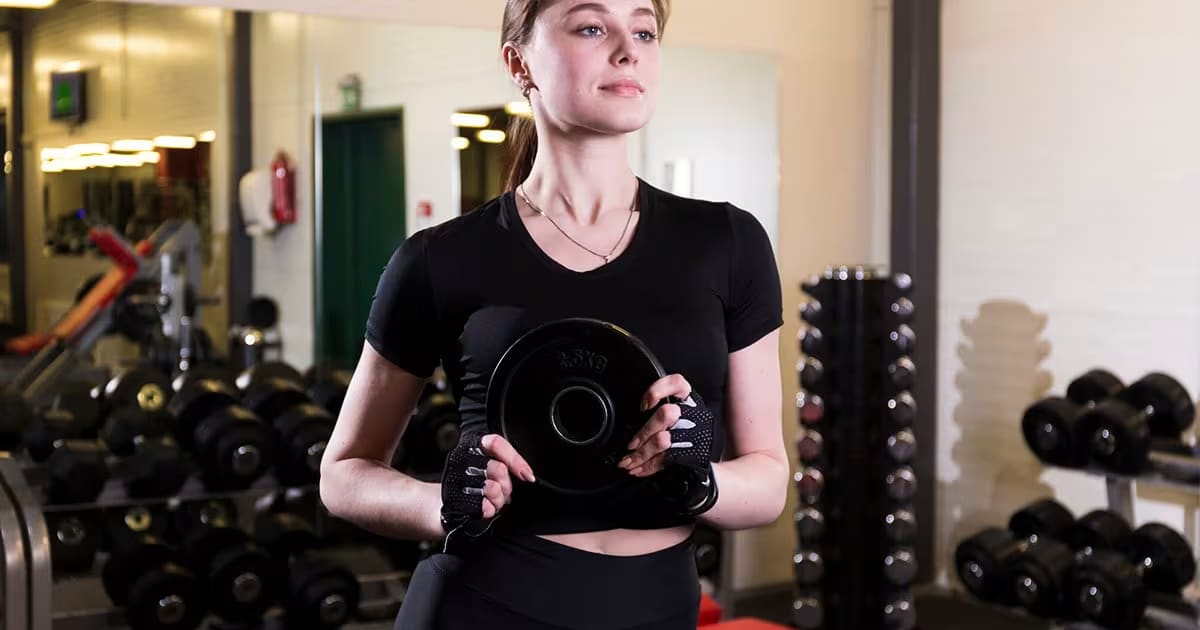
Transform Your Life With Regular Exercise RoutinesRegular exercise is no longer just about losing weight or building muscle. Today, fitness has become one of the most powerful tools for improving overall lifestyle, mental wellness, energy levels, confidence, productivity, and long-term health. People are slowly realizing that exercise is not simply a temporary activity done for a few weeks before vacations or special occasions. It is a lifestyle habit capable of transforming every aspect of life when practiced consistently.
Modern lifestyles have become increasingly inactive. Long work hours, screen time, stress, unhealthy eating habits, and lack of movement have created serious health challenges for people across all age groups. Many individuals spend most of their day sitting in offices, cars, or at home without enough physical activity. Over time, this affects not just physical fitness, but also mental focus, energy, posture, sleep quality, and emotional well-being.
This is exactly why regular exercise routines have become more important than ever before. A structured workout routine helps improve physical strength, endurance, cardiovascular health, mobility, flexibility, and recovery while also positively impacting mental health and stress management. People who exercise regularly often experience better confidence, stronger discipline, improved mood, and healthier daily habits overall.
One of the biggest misconceptions about fitness is the idea that workouts need to be extreme to be effective. In reality, transformation happens through consistency rather than intensity alone. Simple daily movement, moderate workouts, proper recovery, and sustainable habits can completely change the way people feel physically and mentally over time.
Another major shift happening today is the rise of home fitness culture. People are no longer depending entirely on commercial gyms to stay active. Modern home workout spaces now include advanced cardio equipment, strength-training systems, functional fitness tools, and smart recovery products that make it easier than ever to maintain consistent exercise routines directly from home.
Home fitness has made regular exercise significantly more accessible. Instead of planning entire schedules around gym timings, commuting, or crowded workout spaces, people can now train according to their own routines and goals. This convenience helps create long-term consistency, which is ultimately the most important factor in achieving fitness results.
At Lifetime Fitness Store, the focus continues to remain on helping people build stronger, healthier, and more active lifestyles with premium fitness equipment, advanced workout solutions, and wellness-focused home gym setups designed for long-term transformation.
Modern lifestyles are becoming increasingly sedentary. Many people spend hours every day:
Lack of movement slowly affects:
Regular exercise helps reverse many of these lifestyle-related issues.
Benefits of consistent exercise include:
Exercise is no longer just about appearance. It has become essential for overall wellness and long-term health.
One of the most powerful effects of regular exercise is its impact on mental health.
Exercise helps:
Physical activity stimulates the release of endorphins, often called “feel-good hormones,” which help improve emotional well-being naturally.
Many people notice that regular workouts improve:
Fitness routines often become powerful mental reset systems that help people manage busy lifestyles more effectively.
One of the biggest fitness mistakes people make is trying to do too much too quickly.
Extreme workout routines often lead to:
Long-term transformation comes from consistency, not temporary intensity.Even moderate workouts performed regularly can create major improvements over time.
Examples of sustainable routines include:
The goal is building habits that remain realistic long term.
Many people assume workouts make the body more tired. In reality, regular exercise improves overall energy levels significantly.
Exercise improves:
People who train consistently often feel:
Exercise teaches the body to use energy more efficiently.
One of the biggest lifestyle shifts in recent years is the growth of home fitness.
People are increasingly choosing home workouts because of:
Modern home gyms now offer professional-level workout experiences directly from home.
Instead of depending entirely on commercial gyms, people are creating personalized workout spaces featuring:
This makes regular exercise easier to maintain consistently.
Treadmills remain one of the most effective cardio solutions because they support:
Modern treadmills now include:
Treadmill workouts improve:
Exercise bikes provide low-impact cardio workouts ideal for long-duration sessions.
Benefits include:
Popular options include:
Exercise bikes work well for all fitness levels.
Ellipticals provide smooth full-body cardio training while reducing stress on joints.
They engage:
Ellipticals are excellent for:
Strength training is one of the most important components of fitness.
Benefits include:
Popular home strength equipment includes:
Strength training supports both physical performance and long-term health.
Functional training focuses on improving movement patterns used in daily activities.
Benefits include:
Popular functional exercises include:
Functional fitness improves overall body movement efficiency.
The best workout routines are the ones people can maintain consistently.
Important factors include:
A sustainable routine should include:
Balance is essential for long-term results.
Recovery is often ignored, but it plays a major role in transformation.
Recovery supports:
Popular recovery tools include:
Fitness is not just about training hard. It is also about recovering smartly.
Mobility and flexibility are essential for:
Stretching routines help improve:
Mobility training should become part of every exercise routine.
Technology has transformed modern fitness completely.
Modern equipment now offers:
These features help improve:
Smart fitness systems are making workouts more personalized and effective.
Many beginners start with extremely intense routines that are difficult to maintain.
Consistency matters more than perfection.
Overtraining often leads to fatigue and injuries.
Rest and recovery are essential for sustainable progress.
Random workouts usually create inconsistent results.
Structured routines improve discipline and progress tracking.
Transformation takes time.
Long-term consistency always beats short-term intensity.
Workout environments play a major role in consistency.
Simple upgrades include:
A motivating environment makes workouts easier to maintain.
One of the biggest advantages of home fitness is that entire families can stay active together.
Family fitness encourages:
Fitness becomes more sustainable when it becomes part of household culture.
Regular exercise helps support:
Fitness is not just about short-term physical goals. It is one of the most important long-term investments people can make for their overall well-being.
People are increasingly prioritizing:
This is why home fitness continues growing rapidly worldwide.
Modern fitness equipment now allows people to create highly effective workout spaces directly from home.
Lifetime Fitness Store continues helping people create premium home fitness environments with world-class workout equipment and wellness-focused solutions.
Key advantages include:
From compact home setups to complete luxury gyms, Lifetime Fitness Store continues supporting healthier lifestyles through smarter fitness solutions.
Regular exercise routines have the power to completely transform physical health, mental wellness, energy levels, confidence, and overall lifestyle quality. Fitness is no longer only about aesthetics or temporary goals. It has become an essential part of building healthier, stronger, and more sustainable daily habits.
The biggest secret behind transformation is not perfection. It is consistency. Small daily efforts performed regularly create long-term results far greater than short-term extreme routines. Whether through cardio workouts, strength training, mobility sessions, or recovery-focused wellness practices, regular movement improves both body and mind over time.
Modern home fitness solutions have also made exercise more accessible than ever before. From treadmills and exercise bikes to multi gyms, dumbbells, and recovery systems, people now have the ability to create professional-quality workout environments directly from home.
Lifetime Fitness Store continues supporting healthier lifestyles with premium fitness equipment, advanced workout solutions, and smart home gym systems designed to help people stay active, consistent, and motivated throughout their fitness journeys.
If you are looking to buy other fitness machines or accessories, look no further! Explore our range of fitness products like treadmills, elliptical cross trainers, exercise bikes, rowing machines, home gym, functional trainer, multi-station, power towers, smith machines, dumbbells, foosball tables, pool tables, and table tennis.

Building a balanced exercise routine is one of the most effective ways to improve overall health, fitness, energy levels, mobility, and long-term wellness. Many people begin their fitness journey with the belief that one type of workout is enough to achieve every goal. Some rely only on cardio, while others focus entirely on strength training. Some spend all their time running, while others believe yoga alone is sufficient. In reality, the body performs best when multiple forms of exercise work together.
A balanced workout plan is similar to maintaining a healthy diet. Just as the body requires proteins, carbohydrates, vitamins, minerals, and healthy fats to function properly, it also needs different forms of movement to remain strong, flexible, healthy, and energetic. Focusing only on one style of exercise may improve certain areas of fitness while neglecting others.
Modern lifestyles have made exercise more important than ever before. Most people spend hours sitting at desks, driving, using phones, or working on computers with very little physical movement throughout the day. Over time, this lack of movement affects posture, stamina, mobility, metabolism, flexibility, and even emotional well-being.
This is exactly why fitness is no longer only about appearance or temporary transformation goals. Exercise has become one of the most important tools for improving quality of life, supporting mental health, increasing energy, improving sleep quality, and creating healthier long-term habits.
At Lifetime Fitness Store, the focus continues to remain on helping people build healthier lifestyles through premium fitness equipment, advanced workout systems, and complete home gym solutions designed for balanced long-term wellness.
A balanced exercise routine combines multiple forms of physical activity to improve complete body function. Instead of focusing only on one goal, balanced fitness supports cardiovascular health, muscular strength, flexibility, recovery, coordination, endurance, and mobility together.
Many people make the mistake of repeating the same workouts daily. Over time, this can create muscular imbalances, mental burnout, repetitive strain, and reduced motivation. Variety helps the body develop more efficiently while also making workouts more enjoyable.
A balanced workout routine generally includes:
Each component supports the body differently, and together they create a more sustainable fitness lifestyle.
One of the biggest health challenges today is inactivity. Long hours spent sitting reduce mobility, weaken muscles, slow metabolism, and affect circulation. Many people experience:
Regular exercise helps reverse many of these problems naturally.
Movement improves:
Even small amounts of consistent movement can significantly improve how the body feels and functions.
Aerobic exercise, also known as cardio or endurance training, remains one of the most important parts of balanced fitness.
Cardio workouts increase heart rate and breathing while improving oxygen delivery throughout the body. These exercises strengthen the heart, improve endurance, and help increase overall energy levels.
Popular aerobic activities include:
Regular cardio training supports:
Cardio workouts also help improve mood because physical activity stimulates endorphin release, which naturally reduces stress and improves emotional wellness.
Walking remains one of the most underrated yet highly effective forms of exercise available today.
Many people assume walking is too simple to create meaningful results, but consistent walking can dramatically improve:
Walking is also highly adaptable. Beginners can start slowly with short sessions, while advanced users can increase speed, incline, or duration over time.
One of the biggest advantages of walking is accessibility. It requires minimal equipment, creates low joint impact, and suits almost every fitness level.
Modern treadmills have also transformed walking workouts completely. Smart treadmills now provide:
This makes indoor walking more engaging and effective than ever before.
Although walking feels natural, proper technique significantly improves comfort and workout efficiency.
Good walking posture includes:
Proper footwear is equally important because supportive shoes help reduce stress on joints during longer sessions.
Small adjustments in walking form can greatly improve endurance and reduce discomfort over time.
While cardio improves endurance, strength training supports muscular development, metabolism, posture, and functional movement.
Strength training involves using resistance to challenge muscles through:
Strength workouts improve:
Many people wrongly assume resistance training is only for athletes or bodybuilders. In reality, it benefits everyone because muscular strength is essential for everyday life.
Simple activities like lifting bags, climbing stairs, standing from chairs, or carrying groceries all depend on strength and stability.
Functional strength refers to strength used during real-life movements and daily activities.
Functional training improves:
Exercises such as squats, lunges, rows, presses, and carries all help improve practical strength that supports everyday movement.
Functional fitness is becoming increasingly popular because it focuses on movement quality instead of only aesthetics.
Home fitness has transformed strength training accessibility.
Modern home gyms now allow users to perform complete strength workouts using:
People increasingly prefer home workouts because they offer:
Instead of depending entirely on commercial gyms, users can now create highly effective workout environments directly from home.
One of the biggest causes of workout injuries is poor exercise technique.
Many beginners make the mistake of focusing on heavier weights before learning proper movement mechanics.
Good form helps:
Controlled movement and stable posture always matter more than lifting heavier weights.
Proper breathing also plays a major role during workouts because it improves movement control and stability.
Many people focus heavily on workouts while completely ignoring recovery.
Recovery is essential because muscles become stronger after workouts, not during them.
Exercise creates physical stress on muscles, and recovery allows the body to:
Without proper recovery, the body eventually becomes exhausted rather than stronger.
Good recovery habits include:
Recovery is not a sign of weakness. It is one of the most important parts of long-term fitness progress.
Flexibility exercises help improve movement quality and reduce muscle tightness.
Many people lose flexibility because of:
Stretching improves:
Better flexibility also improves performance during cardio and strength workouts.
Mobility refers to how well joints move through their full range of motion.
Good mobility improves:
Mobility exercises help reduce stiffness while improving movement efficiency during workouts and daily activities.
Yoga, Pilates, stretching routines, and mobility drills all contribute toward healthier movement patterns.
Balance training becomes increasingly important with age, but it benefits every fitness level.
Good balance supports:
Activities such as yoga, Pilates, and functional training naturally improve balance and body awareness.
Strong balance also improves performance during strength training and cardio exercises.
Exercise affects much more than physical appearance.
Regular movement improves:
Physical activity stimulates endorphin release, helping improve mood naturally.
Many people notice significant mental improvements once exercise becomes part of their regular lifestyle.
One of the biggest mistakes in fitness is chasing extreme workouts.
Many people begin with unrealistic routines that eventually lead to:
Long-term progress comes from consistency.
Even shorter workouts performed regularly can create major physical and mental transformation over time.
Sustainable fitness routines always produce better long-term results than temporary extremes.
Technology has transformed modern fitness experiences completely.
Smart workout systems now provide:
These features improve:
Technology continues making home fitness more accessible and personalized than ever before.
Fitness should not feel like punishment or temporary restriction.
Sustainable fitness focuses on:
The best workout routine is always the one that fits realistically into daily life.
People are more likely to stay consistent when workouts remain practical, enjoyable, and adaptable.
Home fitness has become one of the fastest-growing lifestyle trends globally.
People now prioritize:
Modern home gyms now include:
This allows users to maintain complete balanced fitness routines directly from home.
Lifetime Fitness Store continues helping people build smarter fitness lifestyles with premium workout equipment and advanced home gym solutions.
Key advantages include:
From compact workout corners to complete luxury home gyms, Lifetime Fitness Store continues supporting balanced and sustainable fitness lifestyles.
Building a balanced exercise routine is one of the smartest long-term investments people can make for their health and wellness. The body performs best when cardiovascular fitness, muscular strength, flexibility, mobility, balance, and recovery all work together.
No single workout can support every aspect of fitness alone. A truly effective fitness routine combines multiple forms of movement to improve endurance, strength, posture, recovery, mobility, confidence, and overall quality of life.
The most important factor in fitness success is consistency. Sustainable routines always create better long-term results than temporary extreme approaches. Whether someone begins with walking, starts strength training, improves flexibility, or creates a complete home gym environment, every positive step contributes toward healthier living.
Modern home fitness solutions have also made balanced training more accessible than ever before. From treadmills and exercise bikes to dumbbells, functional trainers, and recovery systems, people now have the ability to create complete wellness-focused workout environments directly from home.
Lifetime Fitness Store continues supporting healthier lifestyles with premium fitness equipment, smart home gym solutions, advanced workout systems, and wellness-focused environments designed to help people stay active, balanced, strong, and consistent throughout every stage of their fitness journey.
If you are looking to buy other fitness machines or accessories, look no further! Explore our range of fitness products like treadmills, elliptical cross trainers, exercise bikes, rowing machines, home gym, functional trainer, multi-station, power towers, smith machines, dumbbells, foosball tables, pool tables, and table tennis.
Sports injuries can happen to anyone. Whether you are a professional athlete or just enjoy occasional weekend sports, the risk of injury is always there. The intensity, physical demands, and repetitive movements involved in sports can lead to strains, sprains, fractures, and more.
However, understanding how to prevent and treat these injuries can make a huge difference in staying active, healthy, and performing at your best.
In this guide, we’ll explore practical steps for injury prevention, what to do when injuries occur, and tips for effective treatment and rehabilitation. By following a few key practices and staying informed, you can reduce your risk of injury and bounce back faster if you do get hurt.
Sports injuries happen for a variety of reasons. They can be caused by external factors, such as environmental conditions or poor equipment, or by internal factors related to the body’s physical condition. Here are some common causes:
While it’s impossible to eliminate the risk of injury entirely, taking preventive measures can dramatically reduce the likelihood of getting hurt. Below are some of the best strategies for keeping your body safe and strong.
Warming up before any sport or physical activity is essential. It prepares your muscles, heart, and joints for the physical demands of the sport and helps increase flexibility, reducing the risk of strains and sprains. A good warm-up should include:
After exercise, cooling down is just as important. It helps gradually reduce heart rate, stretch muscles, and promote recovery. Incorporate static stretches (holding stretches for 20-30 seconds) for muscle relaxation and flexibility.
One of the key factors in injury prevention is building strength and flexibility. Regular strength training helps muscles support your joints, while flexibility exercises help improve your range of motion. Both elements reduce the risk of injury by ensuring your body can handle the demands of your sport. For example:
Using proper equipment for your sport is essential. Well-fitted shoes, supportive clothing, and protective gear like helmets, knee pads, and mouthguards can help absorb shock and prevent injuries. Regularly inspect and replace any worn-out gear to ensure it’s still effective.
Rest is often overlooked but is crucial for injury prevention. The body needs time to recover from physical activity to prevent overuse injuries. Getting adequate sleep, taking rest days, and avoiding pushing your body too hard will help you stay healthy in the long term.
Listen to your body. If you feel pain or discomfort, take a break. Pushing through pain can lead to more severe injuries.
Hydration and nutrition play an essential role in injury prevention. Dehydration can impair muscle function, making you more susceptible to cramping or strains. Eating a balanced diet with adequate protein, vitamins, and minerals helps maintain muscle strength and recovery.
Proper technique isn’t just important for performance; it’s key for injury prevention as well. Incorrect form during exercise or while playing a sport can lead to unnecessary stress on the body and increase the risk of injury. Make sure to:
If you experience pain during exercise or competition, it’s crucial not to ignore it. Pain is a signal from your body that something is wrong. Playing through the pain can lead to more severe injuries or a chronic issue down the road. Always pay attention to your body and seek rest if needed.
Injuries are sometimes unavoidable, no matter how careful you are. If you do get injured, prompt treatment is essential for recovery and to prevent the injury from worsening. Below are common treatments for sports injuries.
The R.I.C.E. method—Rest, Ice, Compression, and Elevation—is the standard first aid treatment for many sports injuries. It’s most effective for acute injuries like sprains, strains, and minor fractures.
Physical therapy is a crucial part of rehabilitation for many sports injuries. A physical therapist can guide you through exercises that help restore strength, flexibility, and mobility to the injured area. This process ensures proper healing and reduces the risk of future injuries.
Therapists may use techniques like massage, ultrasound therapy, or dry needling to relieve pain and promote recovery.
Over-the-counter pain medications like ibuprofen or acetaminophen can help reduce pain and inflammation following an injury. In some cases, stronger pain relievers or injections may be prescribed by a doctor. Always follow the guidance of a healthcare professional when using medication.
In cases of more severe injuries, like torn ligaments, fractures, or herniated discs, surgery may be required to repair the damage. This is typically a last resort when conservative treatments (like physical therapy or medication) haven’t been effective. Surgery can be followed by rehabilitation to regain function and strength.
Before returning to your sport, it’s essential to ensure that the injured area has fully healed and that you’ve regained sufficient strength and mobility. A return-to-play protocol typically involves:
The rehabilitation process plays a critical role in preventing reinjury and ensuring you come back stronger than before. Here are some essential steps for recovery:
Once cleared by a healthcare professional, start by gradually increasing your activity level. Begin with low-impact exercises like swimming or cycling before returning to higher-intensity sports.
Focusing on strengthening the muscles around the injured area is essential. For example, after a knee injury, exercises targeting the quadriceps, hamstrings, and calves can help stabilize the joint and prevent future injuries.
Even after full recovery, maintaining good fitness practices—such as strength training, flexibility exercises, and proper warm-ups—will help you stay injury-free long-term.
Sports injuries can be a significant setback for athletes, but with the right approach to prevention, treatment, and recovery, they don’t have to derail your performance or long-term health. By understanding the causes of injuries, taking preventative measures, and using appropriate treatments when necessary, you can reduce your risk and recover quickly.
Whether you're a competitive athlete or someone who enjoys sports for fun, keeping your body in top shape is the key to staying active, healthy, and injury-free.
Remember, injury prevention is always better than treatment. Take care of your body, listen to it, and ensure you're following the best practices to avoid injury and perform at your best. Stay safe, stay strong, and keep moving!
If you are looking to buy other fitness machines or accessories, look no further! Explore our range of fitness products like treadmills, elliptical cross trainers, exercise bikes, rowing machines, home gym, functional trainer, multi-station, power towers, smith machines, dumbbells, foosball tables, pool tables, and table tennis.
Whether you’re pushing through an intense workout, sprinting to the finish line, or lifting weights, you’ve likely felt that familiar “burn” in your muscles. That sensation, often uncomfortable, is usually attributed to lactic acid buildup.
But what exactly is happening in your body when you feel this burn? And more importantly, is it a sign of something harmful, or is it just part of the process of getting stronger and fitter?
In this article, we’ll dive into the science of lactic acidosis and how it relates to exercise. We’ll explore how your body produces lactic acid, why it leads to that painful sensation, and most importantly, how you can manage it effectively to keep progressing in your fitness journey.
Before we get into how lactic acidosis affects your exercise routine, let’s break down what lactic acidosis actually is. In simple terms, lactic acidosis occurs when lactic acid builds up in the bloodstream at a rate faster than your body can clear it away.
This excess lactic acid results in a drop in blood pH, making the environment more acidic, which is when the burning sensation in your muscles kicks in.
While lactic acid is naturally produced during exercise, it’s important to note that lactic acidosis refers specifically to an abnormally high buildup of lactic acid in the blood, which can lead to discomfort, muscle fatigue, and in extreme cases, health complications.
However, most exercise-induced lactic acid accumulation is perfectly normal and not harmful.
When you exercise, especially during high-intensity activities like sprinting or weightlifting, your body demands more energy than it can produce through aerobic (oxygen-requiring) processes alone.
At that point, your muscles start to use anaerobic metabolism, which is the process of producing energy without the use of oxygen. This is where lactic acid comes in.
During anaerobic metabolism, glucose (sugar) is broken down to produce energy. However, this process also produces pyruvate, a byproduct. When oxygen is available, the pyruvate is further processed in the mitochondria to produce more energy. But, when oxygen is in short supply, pyruvate is converted into lactic acid.
This conversion allows your body to continue generating energy even when oxygen isn’t readily available, but it also means that lactic acid is produced faster than it can be cleared away by your bloodstream, leading to that “burn” you feel in your muscles.
Contrary to popular belief, lactic acidosis caused by exercise is not harmful in most cases. When you work out intensely, your muscles produce lactic acid, and your body works hard to clear it.
However, if you push your body to the extreme (like in a sprint or heavy lifting session), the rate of lactic acid production might exceed the rate at which your body can clear it.
This temporary condition can cause muscle fatigue and discomfort, but it generally subsides once the workout ends and your body returns to a more balanced state. In the context of exercise, the sensation of lactic acid buildup is a sign that you’re challenging your body and working it hard. It’s not a sign of injury or long-term harm.
However, it’s important to distinguish between normal lactic acid buildup and lactic acidosis, a medical condition where the lactic acid buildup in the bloodstream is excessive and leads to a dangerously low blood pH.
While this condition can be caused by factors other than exercise, such as certain medical conditions or prolonged periods of intense physical exertion, it's rare in healthy individuals who engage in regular physical activity.
Now that we know lactic acid is a normal byproduct of exercise, the next question is: How can we manage it and reduce the discomfort it causes?
One of the most important steps you can take to prevent excessive lactic acid buildup is to warm up before exercise. Warming up helps prepare your muscles and cardiovascular system for intense activity, allowing your body to use oxygen more efficiently, thereby reducing the reliance on anaerobic metabolism.
A proper warm-up also increases blood flow to your muscles, ensuring they can remove lactic acid more effectively.
A good warm-up should last around 10-15 minutes and include both dynamic stretching (e.g., leg swings, arm circles) and light aerobic activity (e.g., jogging, brisk walking).
While it’s tempting to go all-out during your workout, especially when you’re feeling energized, pacing yourself is crucial for managing lactic acid levels. If you go too hard too quickly, your body will rely more on anaerobic metabolism, leading to faster lactic acid buildup.
Instead, gradually increase the intensity of your exercise and allow yourself time to rest and recover between sets or sprints.
Breathing properly is key to reducing lactic acid accumulation. When you breathe deeply and steadily during exercise, you increase the oxygen supply to your muscles, which can help minimize anaerobic metabolism and the production of lactic acid.
Make sure to breathe in through your nose and out through your mouth, taking slow, controlled breaths to maintain a steady flow of oxygen to your body.
Dehydration can make it harder for your body to flush out lactic acid. Water helps transport nutrients and remove waste products from the body, including lactic acid. Make sure to stay hydrated before, during, and after exercise to support your body’s natural processes.
If you're engaging in long-duration or high-intensity workouts, consider drinking electrolyte-rich fluids to replenish lost minerals and support optimal muscle function.
After an intense workout, don’t skip the cool-down phase. Just like warming up, cooling down helps your body return to a baseline state. A good cool-down includes static stretching (e.g., hamstring stretches, calf stretches) and light aerobic activity to keep blood flowing to your muscles.
This helps remove lactic acid from your muscles more effectively and speeds up recovery.
If you’re feeling the burn during a workout, try to incorporate periods of active recovery. This means engaging in lower-intensity exercise, like walking or light cycling, during breaks. Active recovery helps keep your muscles engaged and allows for a continuous flow of oxygen to clear lactic acid from your bloodstream.
Nutrition plays an essential role in clearing lactic acid from your system. Eating a balanced diet rich in antioxidants, vitamins, and minerals can help your body recover faster and flush out toxins like lactic acid. Focus on foods that promote muscle recovery, such as:
The good news is that in most cases, lactic acid buildup isn’t something you need to worry about long-term. Once the intense exercise ends, your body shifts back to aerobic metabolism and begins to clear the lactic acid from your bloodstream.
In general, it can take anywhere from 30 minutes to several hours for your body to fully recover from lactic acid buildup.
If you find that lactic acid buildup leads to persistent soreness or discomfort, consider incorporating more active recovery days into your routine or adjusting the intensity of your workouts.
Yes! With consistent training, your body can adapt to higher levels of lactic acid. Over time, your cardiovascular system becomes more efficient at delivering oxygen to your muscles, and your muscles become better equipped to tolerate and clear lactic acid.
This is one of the reasons why athletes who engage in regular high-intensity training—such as sprinters, cyclists, and weightlifters—can perform at higher intensities for longer without experiencing the same degree of muscle fatigue or discomfort.
Lactic acidosis and the associated burning sensation during exercise may sound intimidating, but it’s really just a normal part of pushing your body to its limits. By understanding the science behind lactic acid production and implementing strategies to manage it, you can reduce discomfort and improve your performance over time.
Remember, the next time you feel that familiar burn during a tough workout, it’s your body’s way of telling you that you're challenging yourself and getting stronger. Embrace it, manage it, and keep pushing toward your fitness goals.
So, lace up those shoes, hydrate, and take that next step toward mastering the science of lactic acid—and enjoy the benefits that come with it!
Lactic acidosis develops when the body produces lactate faster than it can remove it. This usually occurs during high-intensity exercise when energy demands rise rapidly and oxygen delivery cannot keep pace. While often misunderstood, lactate itself is not harmful. Instead, it is a natural part of energy production and an indicator that your body is working hard.
As fitness levels improve, the body becomes more efficient at clearing lactate, allowing individuals to sustain higher intensities for longer periods.
The burning sensation experienced during challenging workouts is often misunderstood. Many people immediately assume something is wrong. In reality, this discomfort can provide valuable information about your current training intensity and fitness capacity.
These responses are normal during demanding workouts and often indicate that the body is adapting to new challenges.
Rather than fearing these sensations, fitness enthusiasts can use them as feedback to guide their training and progression.
One of the primary goals of endurance training is increasing lactate threshold. This refers to the intensity level at which lactate begins accumulating faster than the body can clear it.
Athletes with higher lactate thresholds can perform at greater intensities for longer durations without experiencing rapid fatigue.
Improving lactate threshold is beneficial not only for athletes but also for anyone seeking better fitness and stamina.
Treadmills remain one of the most effective tools for improving endurance and cardiovascular health. Modern treadmills available at Lifetime Fitness Store allow users to customize workouts according to their fitness goals and progression levels.
Whether walking, jogging, sprinting, or performing incline training, treadmills provide an excellent environment for structured progression.
Exercise bikes are among the most joint-friendly cardio machines available today. They allow users to improve endurance while reducing impact on knees, ankles, and hips.
Exercise bikes are especially useful for individuals recovering from injuries or seeking sustainable long-term cardio solutions.
Cross trainers offer a unique full-body workout by engaging both upper and lower body muscle groups simultaneously.
Their ability to combine cardio and muscular engagement makes them highly effective for improving overall fitness.
Rowing machines provide one of the most complete workouts available in fitness.
Rowing workouts challenge both the cardiovascular system and the muscular system simultaneously, making them highly efficient.
Recovery allows the body to repair, adapt, and become stronger following intense training.
Recognizing these signs early can help prevent overtraining and maintain long-term consistency.
If you are looking to buy other fitness machines or accessories, look no further! Explore our range of fitness products like treadmills, elliptical cross trainers, exercise bikes, rowing machines, home gym, functional trainer, multi-station, power towers, smith machines, dumbbells, foosball tables, pool tables, and table tennis.
The knee is one of the most critical joints in our body, responsible for supporting our weight, enabling movement, and providing stability. Despite its importance, the knee is also one of the most injury-prone areas, especially its ligaments. Knee ligament injuries are common among athletes, fitness enthusiasts, and even everyday individuals who experience sudden twists or impacts.
This guide explores the causes, symptoms, treatment, and prevention of knee ligament injuries. By understanding how these injuries occur and how to manage them, you can take steps to protect your knees and maintain an active lifestyle.
Ligaments are strong bands of connective tissue that connect bones to other bones. In the knee, they play a vital role in stabilizing the joint and controlling its range of motion. The knee has four primary ligaments:
Each ligament has a unique function, but all are essential for maintaining knee stability and mobility.
Knee ligament injuries typically occur due to sudden movements or impacts that strain the ligaments beyond their capacity. Common causes include:
Recognizing the symptoms of a knee ligament injury is crucial for timely treatment. Common symptoms include:
If you suspect a knee ligament injury, consult a healthcare professional immediately for proper diagnosis and care.
Diagnosing a knee ligament injury involves a combination of physical exams and imaging tests:
Early diagnosis is essential for determining the severity of the injury and formulating an effective treatment plan.
The treatment of knee ligament injuries depends on the severity of the injury (mild sprain, partial tear, or complete tear) and the individual’s activity level.
For mild to moderate injuries, non-surgical methods can be effective:
Severe injuries, such as complete ligament tears, may require surgery to restore stability:
Post-surgical rehabilitation is crucial to regain full function and prevent future injuries.
Recovery from a knee ligament injury varies depending on the severity of the injury and the treatment method. Here’s what to expect:
Prevention is key to avoiding the pain and downtime associated with knee ligament injuries. Here are some tips:
“Knee ligament injuries only happen to athletes.”
While athletes are at higher risk, anyone can sustain a knee ligament injury, even during everyday activities like walking or gardening.
“You can just walk it off.”
Ignoring knee pain or instability can worsen the injury and prolong recovery.
“Surgery is always required for ligament tears.”
Not all ligament tears require surgery. Mild or partial tears can often heal with conservative treatments like physical therapy.
For those who’ve experienced a knee ligament injury, maintaining knee health is essential to prevent re-injury. Here’s how:
Stay Active:
Low-impact exercises like swimming, cycling, or yoga can keep your knees strong without putting excessive stress on them.
Listen to Your Body:
Avoid pushing through pain and rest when needed to allow proper recovery.
Continue Strength Training:
Regularly work on strengthening your leg and core muscles to support your knees.
Follow Up with Your Doctor:
Periodic check-ups can ensure that your knee is healing well and functioning as it should.
Knee ligament injuries can take a toll not just on the body but also on the mind. The recovery process, especially after severe injuries or surgeries, often involves long periods of rehabilitation. For active individuals or athletes, this downtime can lead to frustration, anxiety, or even depression.
It’s essential to address these emotional challenges alongside physical recovery. Setting small, realistic goals and celebrating progress whether it’s regaining range of motion or walking without crutches can boost morale. Many patients find support groups, mental health professionals, or mindfulness practices helpful in maintaining a positive outlook during recovery.
Nutrition plays a significant role in the recovery process after a knee ligament injury. A balanced diet rich in protein helps repair damaged tissues, while anti-inflammatory foods like fatty fish, berries, and leafy greens can reduce swelling. Calcium and vitamin D are also crucial for maintaining bone health, especially if you're recovering from a ligament reconstruction surgery.
Staying hydrated and avoiding processed foods can further support the body's natural healing process. Consulting a dietitian or nutritionist can help create a meal plan tailored to your recovery needs, ensuring you fuel your body for optimal healing.
Once you’ve recovered from a knee ligament injury, continuing exercises that strengthen the knee and surrounding muscles is vital to prevent re-injury. Low-impact activities like swimming, cycling, and Pilates are excellent choices for rebuilding strength and maintaining flexibility without stressing the joint.
Specific exercises, such as wall sits, leg presses, and step-ups, target the quadriceps, hamstrings, and glutes, all of which play a critical role in knee stability. Balance exercises, like standing on one leg or using a wobble board, can enhance proprioception, helping you regain confidence in your knee's stability.
Knee ligament injuries can be painful and disruptive, but with proper care and attention, most people can recover fully and return to their favorite activities. Understanding the causes, symptoms, and treatment options empowers you to take proactive steps toward prevention and recovery.
Remember, your knees are vital for mobility and quality of life. Treat them with care, strengthen them regularly, and seek medical advice promptly if you suspect an injury. By doing so, you can keep your knees healthy and strong for years to come.
So, whether you're an athlete, a weekend warrior, or simply someone who values an active lifestyle, protecting your knee ligaments is an investment in your overall well-being.
Your knee ligaments play a crucial role in maintaining stability, balance, and smooth movement during everyday activities and workouts. Whether you're walking on a treadmill, cycling, strength training, or participating in sports, healthy ligaments help protect the knee joint from excessive stress and injury. Ligament strains or injuries can occur due to sudden movements, improper training techniques, overuse, or inadequate warm-ups, making proper care essential for long-term mobility and performance.
Recovery begins with allowing the knee adequate rest while gradually reintroducing movement. During the early stages of recovery, low-impact activities such as walking, stationary cycling, and controlled mobility exercises can help improve circulation and reduce stiffness without placing excessive stress on the joint. Consistent stretching, proper hydration, and maintaining a healthy body weight can also support ligament healing and reduce unnecessary pressure on the knees.
Long-term knee health depends on strengthening the muscles that support the joint. Exercises targeting the quadriceps, hamstrings, glutes, and calves help improve knee stability and reduce the risk of future injuries. Fitness equipment such as exercise bikes, treadmills with cushioning systems, resistance bands, and functional training tools can assist in building strength safely. Combined with proper recovery, progressive training, and attention to movement quality, these strategies can help maintain strong, healthy knees and support an active fitness lifestyle for years to come.
If you are looking to buy other fitness machines or accessories, look no further! Explore our range of fitness products like treadmills, elliptical cross trainers, exercise bikes, rowing machines, home gym, functional trainer, multi-station, power towers, smith machines, dumbbells, foosball tables, pool tables, and table tennis.
Gear advice, order updates, support
or a quick callback - one tap away